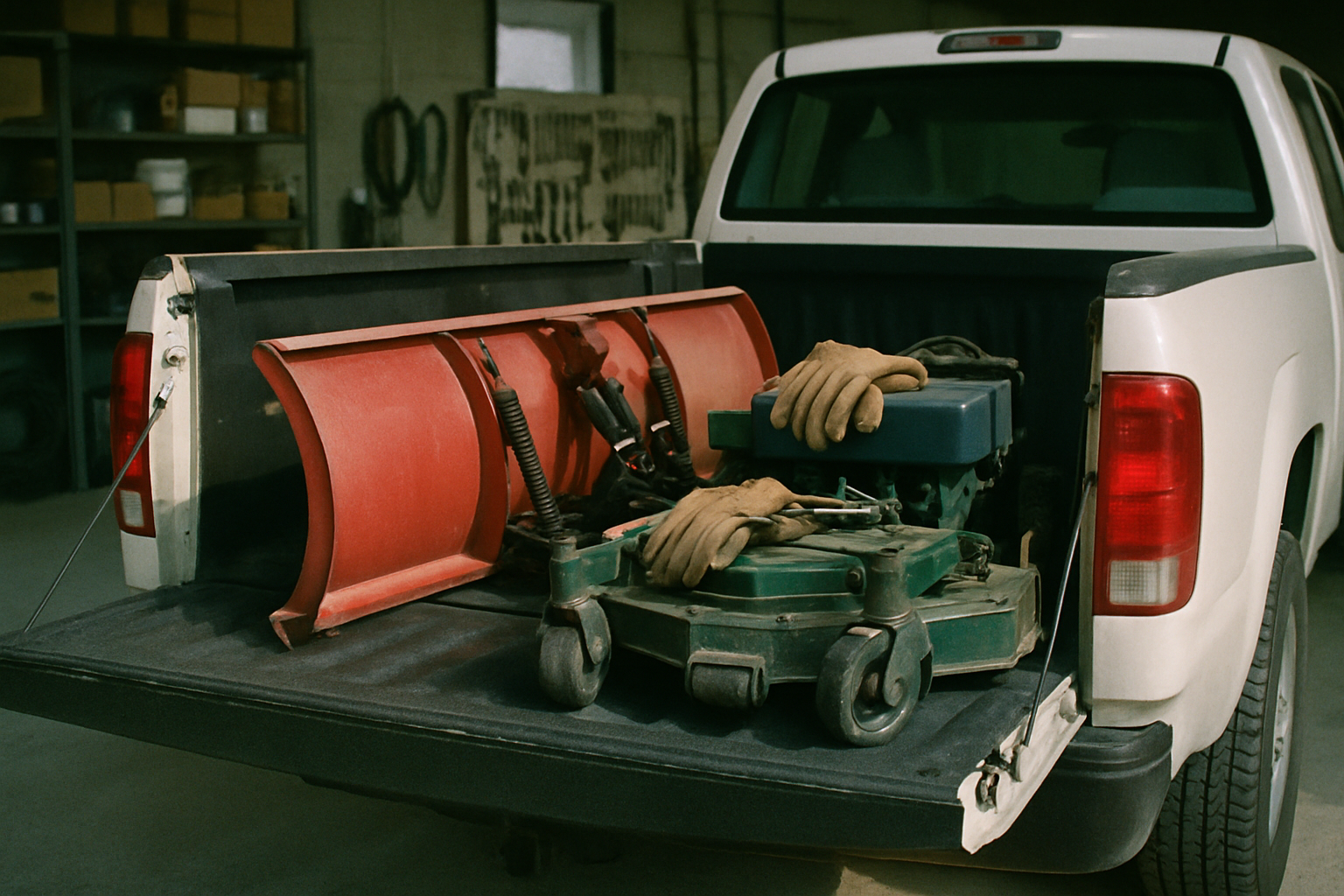
It is two businesses
A snow operation and a lawn operation share customers, trucks, and crew. They share almost nothing else. Pricing logic is different (contract vs per-event). Labor dynamics are different (predictable daytime routes vs 3am call-outs). Materials are different (salt vs fuel). Liability is different (slip-and-fall vs almost none). If you manage them as one business, you will under-price one of them — usually snow — and eat the difference.
Where most shops lose money on snow
- Seasonal contract pricing that assumes a "normal" winter. A 32-inch snow season priced like an 18-inch season is a margin disaster. Price the contract against your 90th-percentile snowfall year, not your 50th.
- Per-event pricing that does not factor crew standby. If your crew is on-call from 11pm to 5am to respond to a 2am snowfall, you pay standby hours whether it snows or not. That cost has to be in the per-event rate.
- Salt as a pass-through that is not. Salt costs are up 40% since 2022. Contracts signed in 2023 are now losing money on every visit for any shop that did not build an escalator.
- No plowing minimum. A 1.5-inch snowfall is an hour of work at $75. An 8-inch snowfall is six hours of work — for the same $75 if the contract does not tier.
The bridge months are where shops break
November and March are where the schedule kills shops. Crews are partial-deployed on both operations. Trucks have mixed fittings. The office is trying to run two different scheduling logics simultaneously. Most shops try to power through with good intentions; good intentions do not produce good margin.
The fix we see working: use the off-season weeks (mid-November for lawn, mid-March for snow) to formally transition. No visits either side for two weeks. Use those weeks for truck changeovers, equipment resets, crew training. Two weeks of lost revenue is less than two months of compressed margin you were running through brute force.
What Servicio does in the transition
The seasonal auto-pause feature — originally built for our shop, Rooted Grounds Collective, in Minneapolis — handles the contract transition automatically. Clients tagged "lawn" auto-pause on a configurable date; clients tagged "snow" auto-activate the same day. Each affected client gets an email in their preferred language explaining the transition. The whole thing runs in the time it takes to drink a coffee.
This is not a feature most shops ask for. It is a feature that shows up in year-over-year margin data once they use it, then they cannot imagine running the transition any other way.
A two-week pause at the season edge is cheaper than a two-month blur of half-work on both sides of it.
One retention move for winter clients
Your snow-only clients almost never become lawn clients in spring unless you ask. A "we are back for lawn season, want on the schedule?" email in late March converts about 23% of last winter's snow-only accounts into summer lawn accounts. The ones who say no are saying no. The ones who say yes are the highest-LTV residential conversions you will do all year, because the trust is already there.